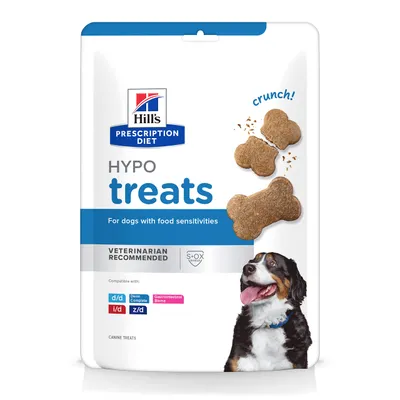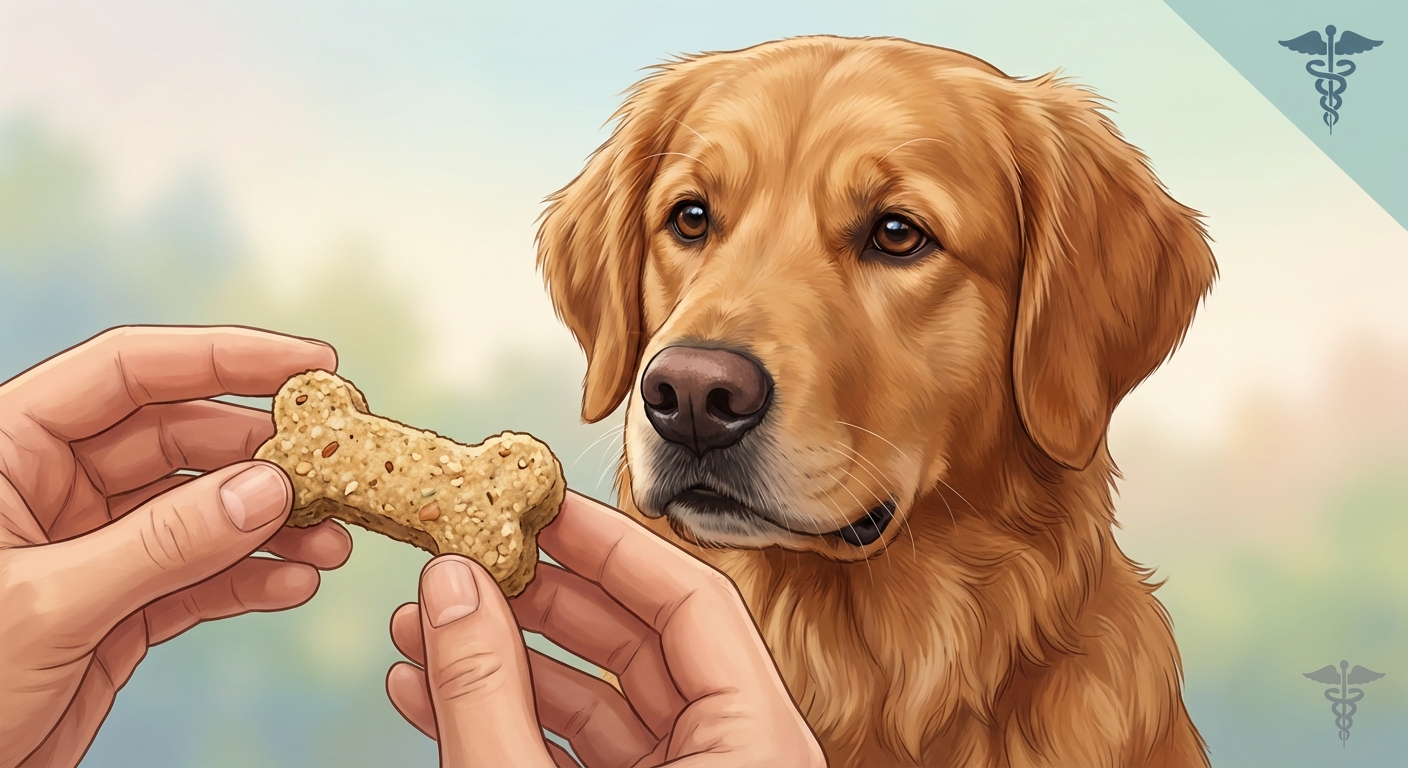
As a veterinary nutritionist, I'm often asked about the best ways to reward dogs who suffer from food sensitivities or skin conditions. It's heartbreaking when a pup has to miss out on the joy of a good treat because of dietary restrictions. Today, we're taking a close look at Hill's Prescription Diet Hypoallergenic Dog Treats. These are specially formulated to be safe for dogs with adverse food reactions, but do they deliver on taste, texture, and nutritional value? Let's dig into the details and find out if these treats deserve a spot in your pantry.
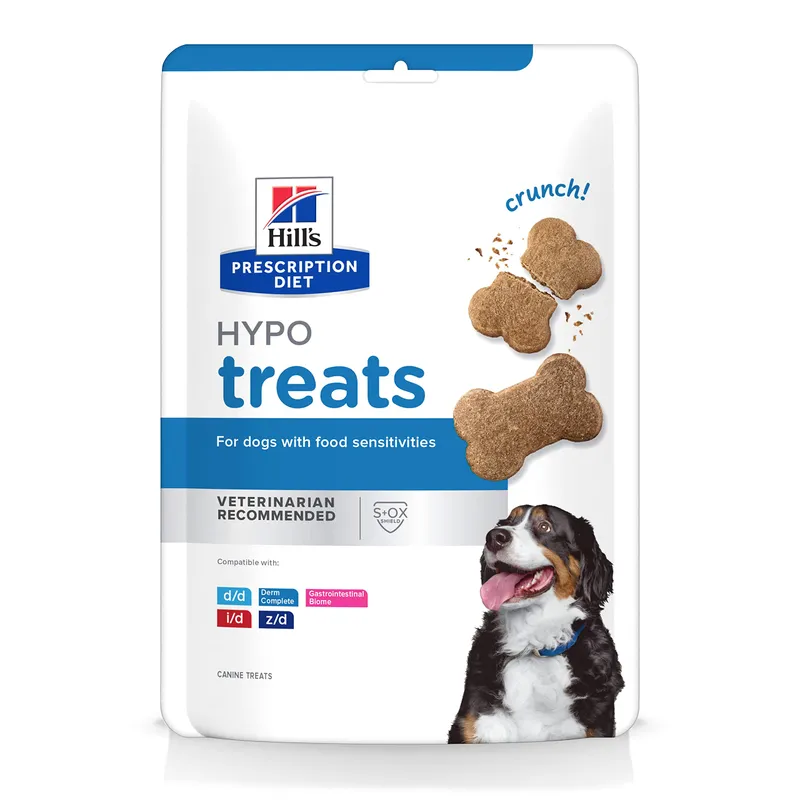
Product Overview & Key Features
Hill's Prescription Diet Hypoallergenic treats are designed to work alongside prescription diets meant for dogs with adverse food reactions (food allergies or intolerances) and those with gastrointestinal issues. The key feature here is the use of hydrolyzed protein. But what does that mean? Essentially, the proteins have been broken down into tiny pieces—so small that the dog's immune system doesn't recognize them as an allergen, thereby preventing an allergic response. They also pack Omega-3 and Omega-6 fatty acids to support a healthy skin barrier function.
What exactly is hydrolyzed protein? expand_more
Hydrolyzed protein undergoes a process that breaks it down into microscopic components. Because the protein pieces are so tiny, a sensitive dog's immune system doesn't recognize them as allergens, preventing the itching and GI upset that usually follows an allergic reaction.
Ingredient Analysis
When dealing with hypoallergenic treats, the ingredient list is paramount. Hill's uses high-quality, hydrolyzed chicken liver and hydrolyzed chicken as the primary single-source protein. This is a brilliant approach because it provides digestible protein without triggering the immune system.
The carbohydrate source is typically corn starch, which is highly refined and devoid of the proteins that usually cause allergies. While some pet parents shy away from corn, in this specific medical context, it's a safe, easily digestible energy source. The treats also feature natural preservatives, adhering to wholesome ingredient standards.
Watch: Hill's Prescription Diet Hypoallergenic Dog Treats, 12 oz
Nutritional Profile
Let's talk about the guaranteed analysis. These treats offer a balanced crude protein and crude fat ratio. Crude protein (a measure of total protein based on nitrogen content) is moderate, while the crude fat provides essential energy. More importantly, they include added antioxidants and essential fatty acids.
From a caloric density standpoint, they are reasonably balanced, but remember that treats should not make up more than 10% of your dog's daily caloric intake. This is crucial for maintaining a healthy weight, especially for dogs who might be less active due to skin discomfort.
How many hypoallergenic treats can I give my dog each day? expand_more
Even with prescription treats, you should follow the "10% rule." Treats should never make up more than 10% of your dog's total daily caloric intake. Always calculate your dog's daily calorie needs or ask your vet for a specific treat allowance to prevent unwanted weight gain.
Real-World Testing Results
I introduced these treats to my own pack, including a sensitive-stomached rescue named Baxter. The acceptance rate was remarkably high for a prescription treat. Often, hydrolyzed diets can be less palatable, but Hill's seems to have cracked the code here.
The treats have a satisfying crunch without being overly hard. Breaking them into smaller pieces for training-sized rewards is relatively easy, though they do crumble slightly.
Safety & Quality Assessment
Hill's is known for rigorous quality control, meeting stringent AAFCO standards (the baseline nutritional requirements established by the Association of American Feed Control Officials). The treats are produced in company-owned facilities, ensuring high standards.
Value & Availability
Priced around $13.81 for a 12 oz bag, they are more of an investment compared to standard over-the-counter options. However, for a veterinarian-developed formula that safely rewards a sensitive dog, the value is undeniable. Keep in mind that purchasing these requires vet approval, which adds an extra step to availability.
Do I need a vet prescription to buy these treats? expand_more
Yes. Because these are part of a specialized medical diet line, retailers will require you to provide a veterinarian's authorization before fulfilling your order.
Best Uses & Recommendations
These are high-value rewards for dogs strictly on Hill's Prescription Diet z/d, d/d, or i/d. They are perfect for daily treating, positive reinforcement, or hiding in puzzle toys.
Potential Drawbacks
The main drawback is the necessity of a prescription. They are also slightly more expensive and, as mentioned, can be a bit crumbly if you're trying to snap them into very small pieces for rapid training sessions.