As a veterinary nutritionist and a dog mom to a chaotic (but lovable) pack of rescues, I know that look. The pacing, the panting, the wide eyes when a thunderstorm rolls in or the suitcase comes out. It’s heartbreaking to watch your dog struggle with anxiety. Over my 12 years in practice, one of the most common questions I get is, "Do calming treats actually work?"
The answer is yes—but they aren't magic wands. Think of calming treats like a warm cup of herbal tea for your dog rather than a heavy sedative. They are tools to help take the edge off, making stressful situations more manageable. Today, I’m sharing my top recommendations for calming treats, breaking down which ingredients actually have "bioavailability" (that’s fancy vet speak for how well the body absorbs them) and which ones are just filler.
How We Selected These Calming Solutions
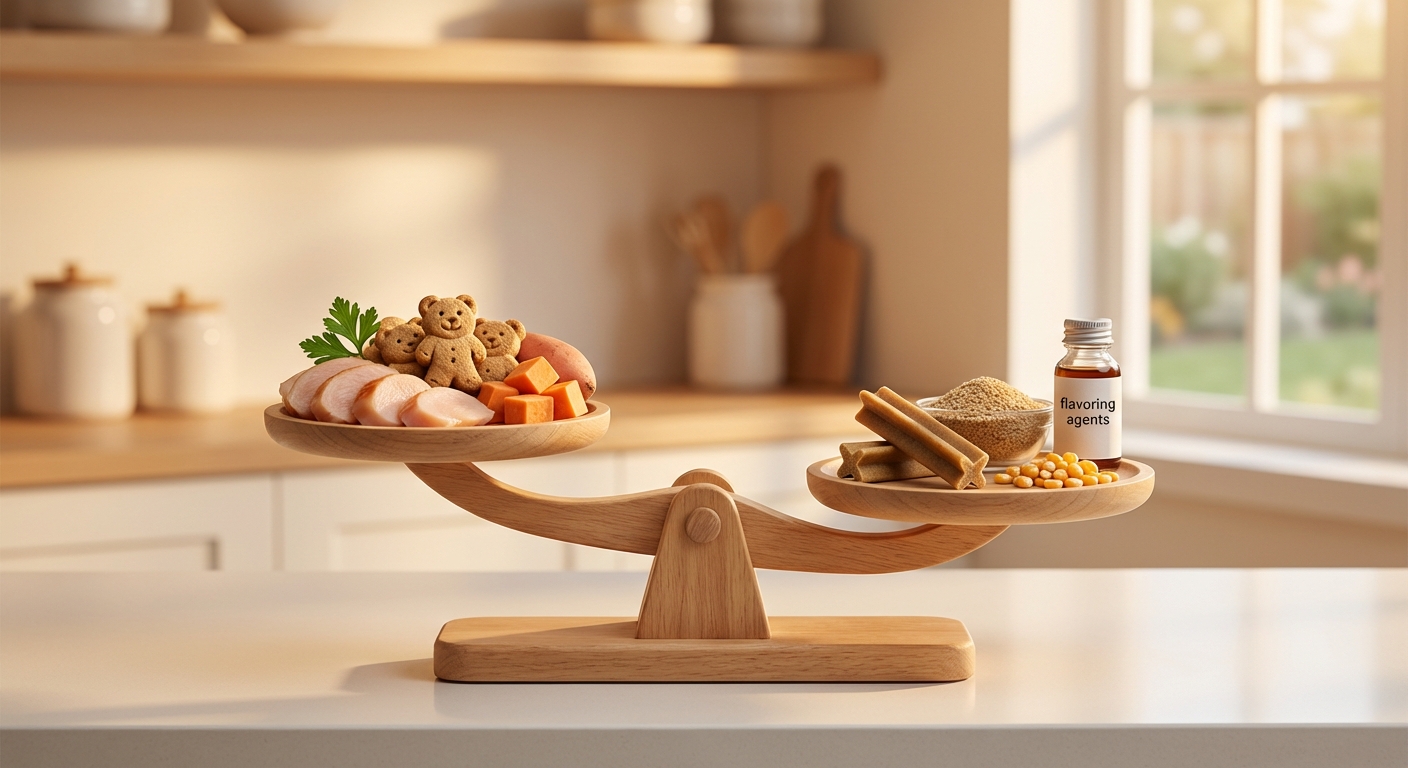
When evaluating calming treats, I don't just look at the pretty packaging. I dive into the Guaranteed Analysis to check moisture content and potency. My criteria are strict: 1. Active Ingredients: I look for proven calmers like L-Theanine, Valerian Root, Chamomile, and Hemp oil. 2. Transparency: Manufacturers must clearly state the milligrams of active ingredients per chew. 3. Palatability: If a stressed dog won't eat it, it doesn't work. My own dogs help test this part! 4. No "Nasties": We avoid artificial colors and preservatives. We want wholesome ingredients that support overall health.
Best for Situational Anxiety: The Rapid-Release Soft Chew
For fireworks, thunderstorms, or vet visits, you need something that works relatively fast. Soft chews are generally digested quicker than crunchy biscuits.
Why It's a Winner: I recommend looking for soft chews containing L-Theanine and Melatonin for these high-stress moments. The soft texture allows for faster breakdown in the stomach. In my clinic, I often suggest these for "event-based" anxiety. They are essentially high-value rewards that double as therapy.
Texture & Suitability: These are usually moist and chewy, making them excellent for all sizes, but especially helpful for older dogs who might have dental issues.
How long does it take for them to kick in? expand_more
It varies by dog and metabolism, but typically allow 30 to 60 minutes. Don't wait until the fireworks start; give the treat while your dog is still calm for the best absorption and effect.
Best for Daily Restlessness: The Hemp-Based Hard Bar
If your dog is generally high-strung or has separation anxiety, a daily supplement might be better than a situational treat.
Why It's a Winner: Hemp-based bars (often containing CBD or hemp seed oil) can provide a low-level, consistent calming effect. They are rich in Omega fatty acids, which is a nice bonus for skin and coat health.
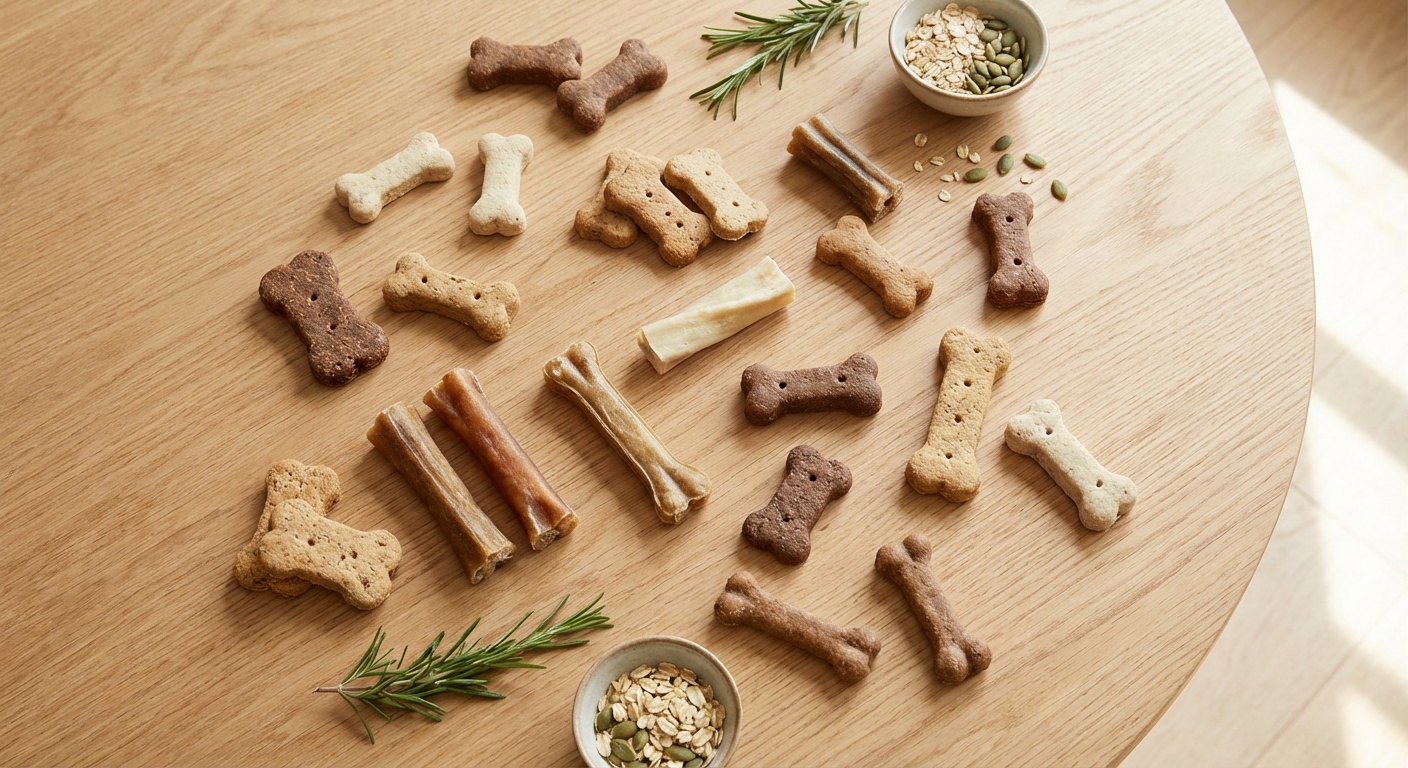
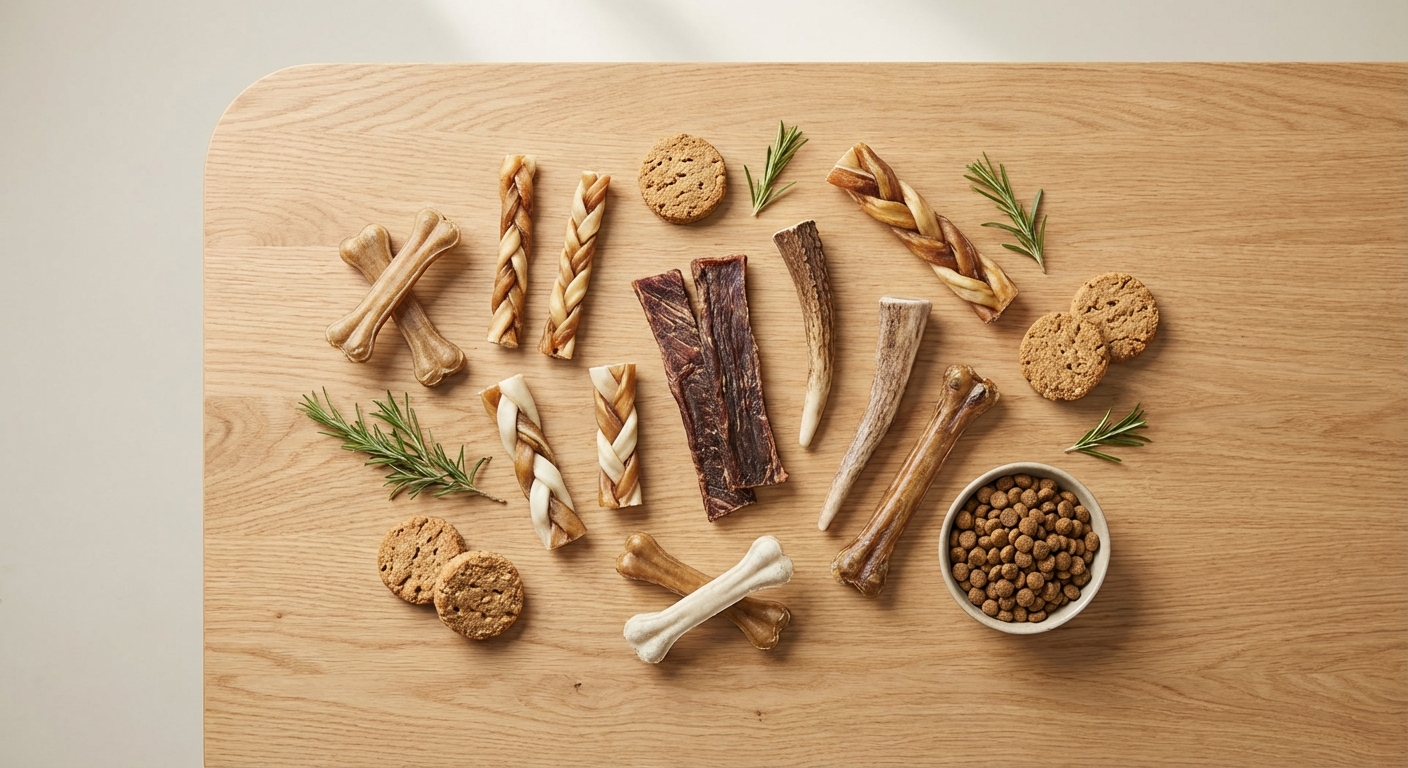
Texture & Suitability: These often come in a dental-stick format. This serves a dual purpose: the act of chewing itself is a self-soothing behavior for dogs, releasing dopamine. It’s a two-for-one benefit.
Can I give my dog calming treats every day? expand_more
Generally, yes, especially those based on herbs like chamomile or hemp. However, treats with Melatonin are usually best reserved for specific stressful events to avoid disrupting their natural sleep-wake cycle. Always follow the package instructions.
Best for Seniors: The Multi-Functional Joint & Calm Chew
Senior dogs often experience anxiety stemming from pain or cognitive decline.
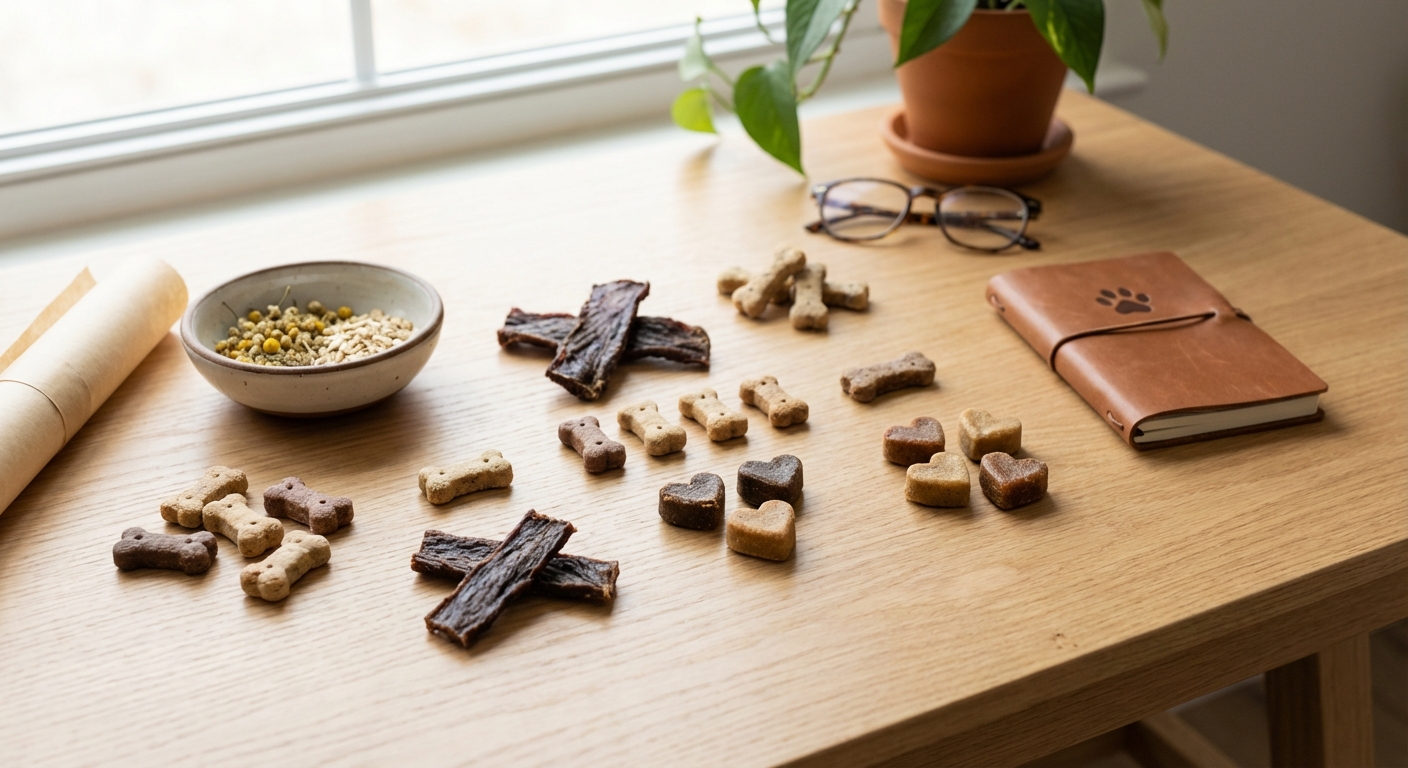
Why It's a Winner: I love treats that multitask. Look for options combining Glucosamine and Chondroitin with calming herbs like Chamomile. Treating the underlying joint pain often resolves the "anxiety" which is actually just discomfort.
Comparison: Which Form Factor is Right for You?
| Feature | Soft Chews | Crunchy Biscuits | Dental/Long-Lasting Bars |
|---|---|---|---|
| Onset Time | Fast (30-45 mins) | Moderate (45-60 mins) | Slow/Steady |
| Texture | Moist, crumbly | Hard, abrasive | Chewy, dense |
| Best Use Case | Thunderstorms, Vet Visits | General Rewards, Training | Separation Anxiety, Boredom |
| Palatability | Very High | High | Moderate |
| Shelf Life | Shorter (needs sealing) | Long | Moderate |
Budget-Friendly Options and Value
You don't need to break the bank to find high-quality calming aids.
- Bulk Buying: Many effective biscuits are sold in bulk boxes. While the upfront cost is higher, the cost-per-treat drops significantly.
- Check the Concentration: Sometimes a "cheaper" bag has such low levels of active ingredients that you have to feed four times as many treats, making them more expensive in the long run. Always calculate the cost per milligram of active ingredient, not just cost per bag.
Special Dietary Needs
Grain-Free & Limited Ingredient: For pups with sensitive tummies, anxiety often manifests as GI upset, so we don't want to add to that. Look for treats using chickpea or sweet potato binders instead of wheat or corn.
Novel Proteins: If your dog is allergic to chicken or beef (common allergens), seek out calming treats labeled "Duck recipe" or "Salmon formula". These are often hypoallergenic and just as effective.
Are these safe for puppies? expand_more
Most herbal treats are safe, but puppy tummies are sensitive. I usually recommend sticking to simple, single-ingredient rewards for training and consulting your vet before adding specific "calming" supplements to a puppy's diet.
Final Thoughts
Finding the right calming treat is a bit of trial and error. What turns one dog into a Zen master might do nothing for another. Start with a smaller package, observe your dog's reaction, and remember: your calm energy is the best treat of all. Stay patient and keep those tails wagging!